
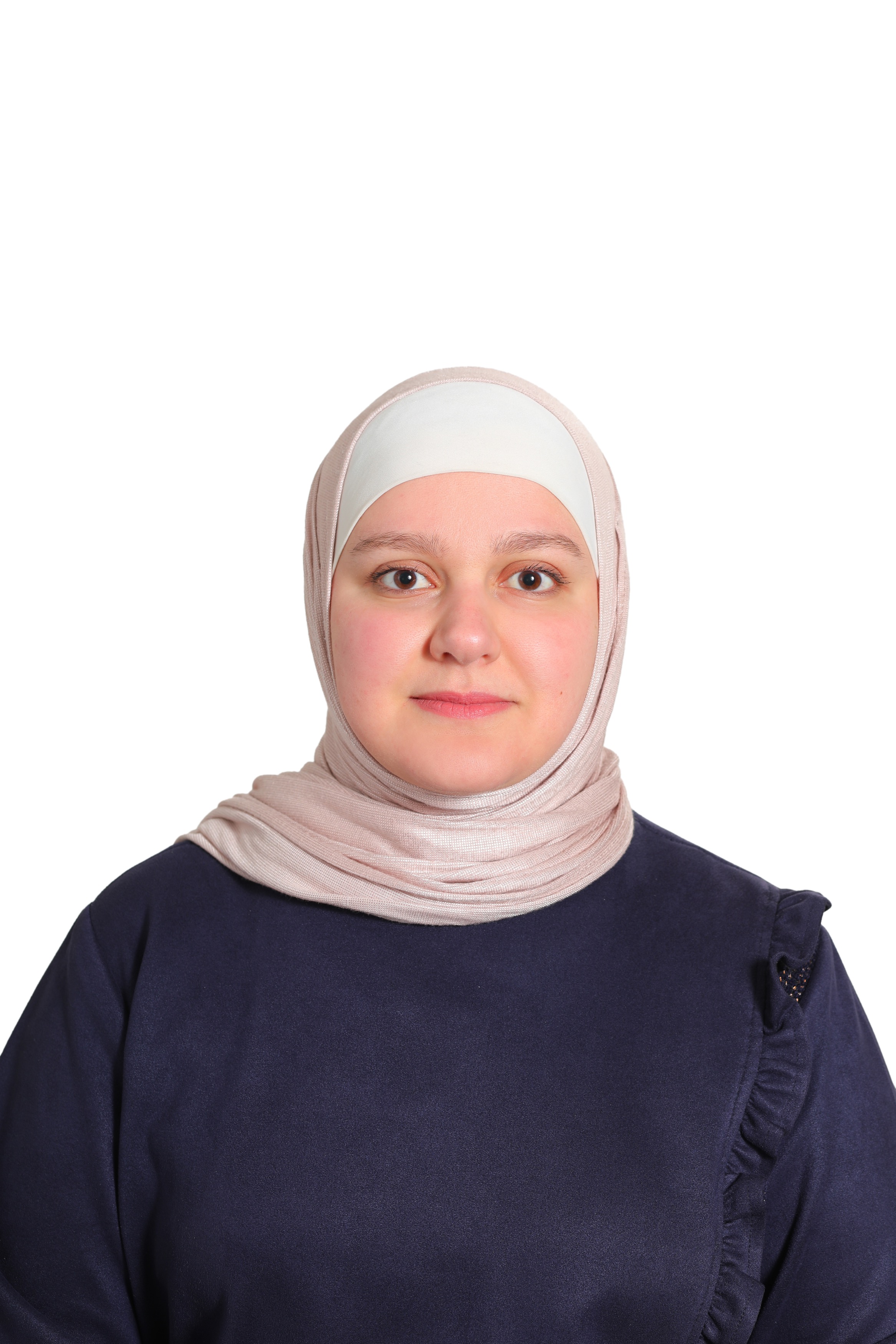
Hanan Madi
PH.D. Candidate
Biography:
Hanan Madi is a PhD student in Rehabilitation Sciences at the Faculty of Rehabilitation Medicine, University of Alberta, with extensive experience in occupational therapy education and rehabilitation research. Her work focuses on advancing campus mental health and occupational participation among university students, with particular emphasis on the safe and effective use of artificial intelligence (AI) tools to support student mental health and well-being. Her research explores how digital mental health technologies, sensory processing patterns, emotional awareness, and coping strategies shape students’ engagement, participation, and mental health outcomes within university environments. She is especially interested in developing evidence-informed, preventative, and inclusive approaches that enhance student well-being while carefully addressing safety and ethical considerations in AI-supported mental health care.
Hanan holds a Master’s degree in Clinical Rehabilitation Sciences and a Bachelor’s degree in Occupational Therapy. With over 13 years of experience in occupational therapy education, clinical training, and rehabilitation research, she has taught undergraduate occupational therapy courses and supervised students in mental health and psychiatric settings. Her work bridges research, education, and practice to inform meaningful and sustainable mental health initiatives on campus. Through her research, she aims to contribute evidence that supports prevention, early identification, and effective interventions within higher education settings, while raising awareness of university student mental health needs through peer-reviewed publications and academic dissemination.
Hanan has published in peer-reviewed journals, including research on occupational performance and satisfaction among individuals with mental disorders (Madi et al., 2022, British Journal of Occupational Therapy) and on deliberate self-harm, coping styles, and social support among university students (Madi et al., 2024, International Journal of Mental Health and Addiction). She is currently leading and collaborating on studies examining sensory processing patterns, learning styles, and alexithymia among university students, with manuscripts submitted to peer- reviewed journals. Through her doctoral work, Hanan aims to contribute to the development of safe, effective, ethical, and student-centered AI-supported mental health practices in higher education.
Ph. D. Thesis:
Safe and effective use of AI tools to support mental health and well-being among university students